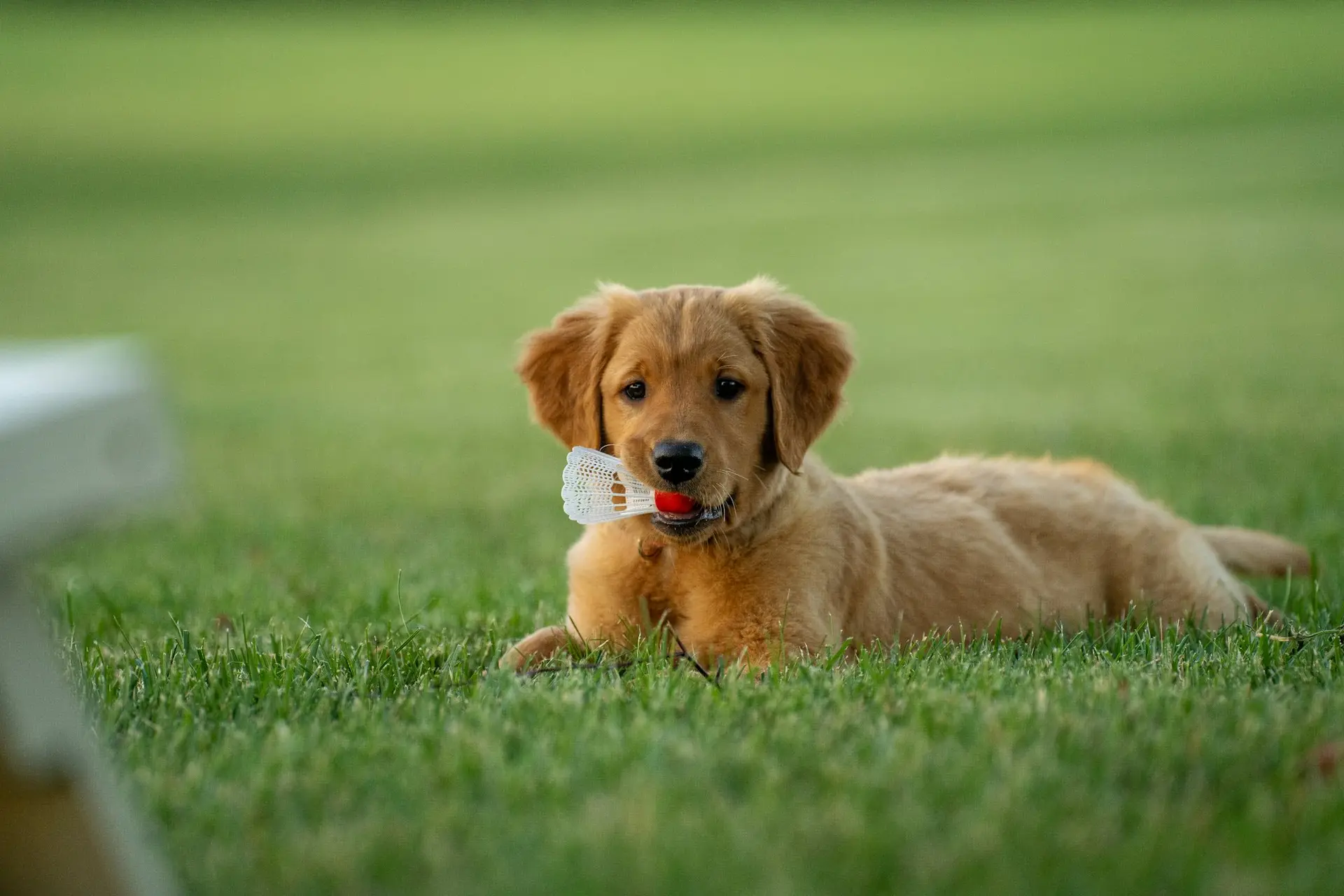
Spay and castration for dogs of different sizes and breeds, with a veterinary examination before surgery, monitored anaesthesia and pain relief for recovery at home.
UAE-licensed vets at our Al Furjan and City Walk clinics. Open daily, 8am–10pm.
As well as neutering, you can book consultations, vaccinations, deworming, grooming and dental care at either clinic. Most can be added to an appointment you have already booked.



From the timing consultation through to the final recheck, so you know what each stage involves.
Small and medium breeds are commonly neutered from around six months. Large and giant breeds are often left later, frequently twelve to eighteen months, so the growth plates can close first. That matters for joints. Females are usually booked between seasons. Your vet will give you a date for your dog rather than a general rule.
Your dog should come to the clinic a few hours before the procedure for pre-anaesthesia checks and admission. The doctor will perform a nose-to-tail examination, talk you through the scheduled procedure, and answer any questions. Food should be withheld for 6-8 hours before surgery. Water can be available until 2 hours before your dog is due to arrive at the clinic.
Your dog is sedated, then anaesthetised and monitored throughout. A spay removes the ovaries and uterus. A castration is quicker, with a shorter recovery. Pain relief is given before your dog wakes up.
Most dogs go home the same day, once they're awake, warm and steady on their feet. You'll leave with written aftercare, pain relief to continue at home, and a number to call if anything worries you overnight.
Short lead walks only. No running, no jumping, no stairs where you can avoid them, and no swimming. A cone or recovery suit stops the licking that causes most wound problems. Call us if you see swelling, discharge, or a wound your dog has reached.
A short appointment to check the incision has healed cleanly, and to remove sutures if the technique used needs it. After that your dog is back to normal walks.
Neutering affects health, behaviour and how straightforward day-to-day life is. The picture is more nuanced for dogs than for cats though, particularly around timing and breed. Here's what the evidence supports, and what it doesn't.
Book a pre-op consultationGeneral guidance, not a substitute for an examination. Timing varies by breed, size and the individual dog, and your vet will confirm it at the pre-operative consultation.
A few of the reasons Dubai dog owners trust PetsFirst with their dog's neutering.
Every procedure starts with a full examination, and the anaesthetic plan is set around your pet's age, weight and health.
Pain relief is given before your pet wakes up, and you go home with more. It is included in the price.
Our team includes a PhD in veterinary surgery and radiology. A qualified vet performs every procedure.
You'll know the full cost before we schedule anything, including aftercare and the post-op recheck.
Choose a service to see what's included. Book online, or visit either clinic.
Take control of your pet's care today – experience the ultimate convenience at your fingertips with our app.


Reviews from clients at our Al Furjan and City Walk clinics.
Alia OumeishCat parent · Google review The staff were so friendly, and very kind and caring to my little cat. They did an excellent job and kept both me and Leo comfortable. Would definitely recommend! We dealt with Dr. Chinnu, Dr. Lamiya, Arpita, and Emmanuel, who gave Leo the best haircut he's ever had — all incredibly lovely.
Rena MedawarCat parent · Google review Excellent care and kind staff. The team at PetsFirst City Walk treated my cat with so much compassion and professionalism. They took the time to explain everything clearly and made both me and Bella feel at ease. Highly recommended.
Arbina ShaikhCat parent · Google review I've been going to PetsFirst since they opened in City Walk, and honestly I'm beyond satisfied. They take care of my cats so well — the staff even remember the names of each of my four cats whenever we visit. They don't overcharge, and their prices are so reasonable. Super happy with PetsFirst, 10 out of 10.
The things Dubai pet parents ask us most often, before and after their first visit.
For small and medium breeds, commonly from around six months. For large and giant breeds, many vets now advise waiting until twelve to eighteen months so the growth plates close first, which appears to matter for joint health. Females are usually scheduled between seasons. The right answer depends on breed and size, so we give you a date for your dog at the consultation instead of a blanket rule.
Spaying is the term for females, and involves removing the ovaries and uterus. Castration is for males, and is a shorter procedure with a quicker recovery. Both are performed under general anaesthesia with pain relief, and both are permanent. We neuter dogs of every size, including 40kg and above.
Modern veterinary anaesthesia is very safe and the risk for a healthy young dog is low. No anaesthetic is completely risk-free though, which is why the pre-operative examination matters. Your vet checks heart, chest, weight and general health, then sets the anaesthetic plan around your dog. Bring your questions to that appointment.
Most dogs are bright within a day or two, with the incision healed in ten to fourteen days. It's short lead walks only during that window: no running, jumping or swimming, and a cone or recovery suit to stop licking. A recheck at ten to fourteen days confirms everything has closed cleanly before normal walks resume.
It depends on whether it's a spay or a castration, your dog's weight, and what the pre-operative examination finds. A 40kg dog needs more anaesthetic agent than a 5kg one, so size does affect the figure. The quote covers surgery, anaesthesia and pain relief, and we confirm it with you before anything is scheduled.
Their energy requirement drops, so they'll gain weight if fed exactly as before. That's a portion problem rather than an inevitable result of the surgery. Cut the daily amount modestly once they've recovered, keep the walks going, and weight stays where it should. We'll tell you roughly how much to cut.
It helps with the hormone-driven ones. Roaming, marking, mounting and some inter-male tension often reduce. It won't fix fear, reactivity or under-socialisation, because those are learned rather than hormonal, and an anxious dog can occasionally seem more so afterwards. If behaviour is your main reason for considering it, book a consultation and talk it through first.
Two Dubai clinics, open every day, 8am to 10pm. Book online, or call us to talk through the right timing for your breed.