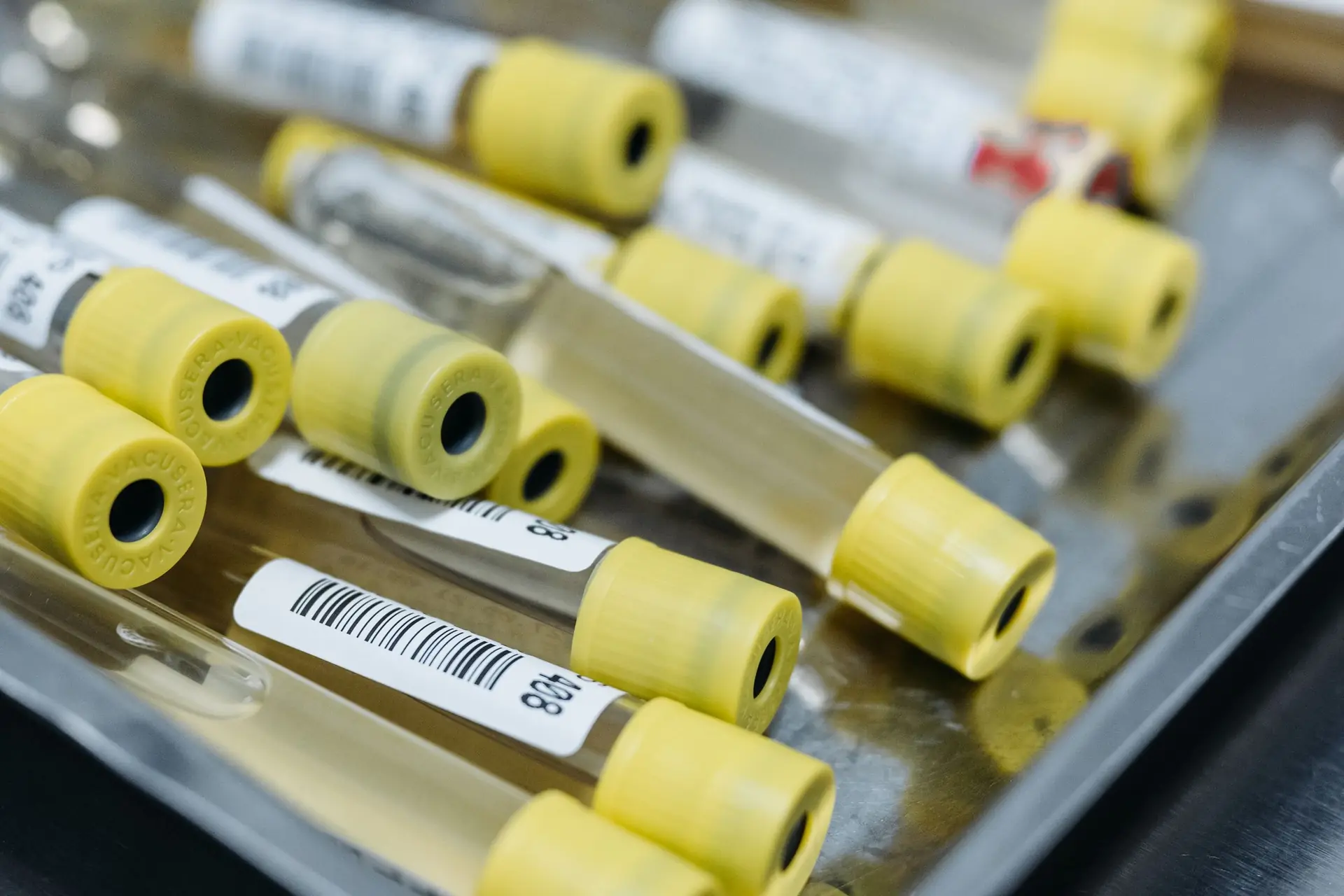
When your pet is unwell, finding the cause matters. PCR tests look for specific viruses, bacteria and parasites behind respiratory, digestive and blood-borne illness in cats and dogs.
PCR panels for cats and dogs, chosen by your vet. Book at Al Furjan or City Walk.
You can also book vaccinations, deworming, neutering, grooming and dental care at either clinic.
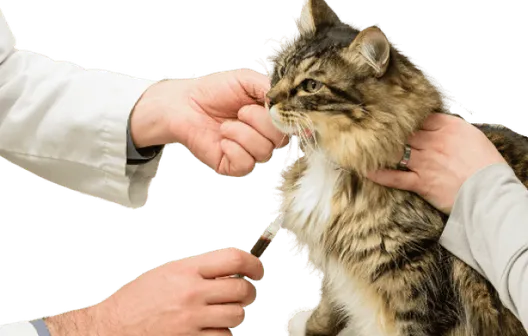

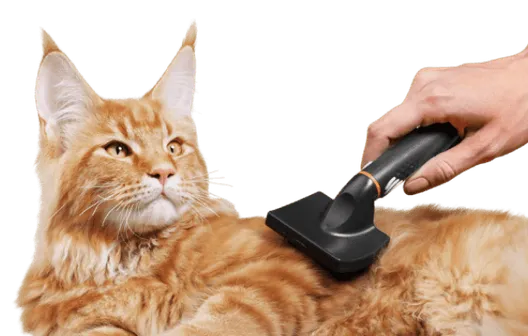
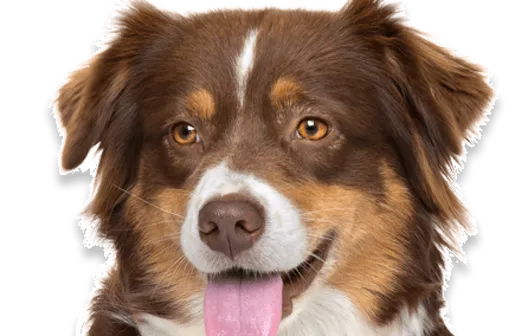
The right test depends on your pet’s symptoms and your vet’s assessment. Here is how it works.
Share your pet’s symptoms and how long they have been going on.
The vet decides whether PCR testing is appropriate and which panel may be relevant.
The sample needed depends on the test. The clinic team will explain what is required.
PCR findings are read alongside your pet’s symptoms, examination and any other tests.
PCR (polymerase chain reaction) testing looks for genetic material from specific viruses, bacteria or parasites in a sample. Your vet may recommend it when your pet has signs that could be caused by an infection.
Book a consultationA PCR test is not a single test for every illness. Each panel looks for specific organisms, so your vet chooses one based on your pet’s symptoms, examination and history, and reads the results alongside other findings.
Choosing a test starts with understanding your pet’s symptoms. Our vets assess your pet and advise whether a PCR panel or another test is the right next step.
A vet examines your pet before recommending any test.
Each panel looks for specific infections, so the choice follows your pet’s symptoms.
Your vet reads the results alongside the exam and any other tests, and talks you through them.
The aim is to find the likely cause and plan the next step in your pet’s care.
If your cat or dog shows any of these signs, book a consultation. Not every symptom needs a PCR test.
Choose a service to see what's included. Book online, or visit either clinic.
Take control of your pet's care today – experience the ultimate convenience at your fingertips with our app.


Reviews from clients at our Al Furjan and City Walk clinics.
Alia OumeishCat parent · Google review The staff were so friendly, and very kind and caring to my little cat. They did an excellent job and kept both me and Leo comfortable. Would definitely recommend! We dealt with Dr. Chinnu, Dr. Lamiya, Arpita, and Emmanuel, who gave Leo the best haircut he's ever had — all incredibly lovely.
Rena MedawarCat parent · Google review Excellent care and kind staff. The team at PetsFirst City Walk treated my cat with so much compassion and professionalism. They took the time to explain everything clearly and made both me and Bella feel at ease. Highly recommended.
Arbina ShaikhCat parent · Google review I've been going to PetsFirst since they opened in City Walk, and honestly I'm beyond satisfied. They take care of my cats so well — the staff even remember the names of each of my four cats whenever we visit. They don't overcharge, and their prices are so reasonable. Super happy with PetsFirst, 10 out of 10.
Common questions about PCR testing for cats and dogs at PetsFirst.
A PCR test looks for genetic material from specific infectious agents, such as certain viruses, bacteria or parasites. Each panel checks for a defined set of targets, so the most suitable test depends on your pet’s symptoms and your vet’s assessment.
A vet may consider PCR testing when investigating signs such as coughing, sneezing, eye or nasal discharge, vomiting, diarrhoea, fever, weakness or a suspected infection. Not every symptom needs a PCR test.
No. Each PCR panel looks for specific targets. Our panels cover selected respiratory, gastrointestinal, blood-related and parasite concerns.
The right PCR test for cats depends on your cat’s symptoms. Feline Respiratory Panel (5-plex): Chlamydia felis, feline calicivirus (FCV), feline herpesvirus (FHV-1), Mycoplasma felis and Bordetella bronchiseptica. Feline Gastrointestinal Panel (4-in-1): feline coronavirus (FCoV), feline panleukopenia virus (FPV), Giardia lamblia and Tritrichomonas foetus. Feline Gastrointestinal / Diarrhoea Panel (2-in-1): FPV and FCoV.
Feline Blood Screening / Anaemia Panel (6-in-1): FIV, FeLV, Mycoplasma haemofelis, Mycoplasma haemominutum, Mycoplasma turicensis and Bartonella henselae. Feline Anaemia Panel (2-in-1): FIV and FeLV. Feline Coronavirus Mutation PCR for FIP-associated mutations, and the Feline / Canine Parasite Panel (2-in-1) for Tritrichomonas foetus and Giardia lamblia.
Your vet can advise which, if any, suits your cat.
The right PCR test for dogs depends on your dog’s symptoms. Canine Respiratory Panel (6-in-1): canine distemper virus (CDV), canine parainfluenza virus (CPIV), canine adenovirus type 2 (CAV-2), canine influenza virus (CIV), Bordetella bronchiseptica and Mycoplasma species. Canine Gastrointestinal / Diarrhoea Panel (2-in-1): canine parvovirus (CPV) and canine coronavirus (CCoV).
Canine Vector-Borne Disease / Anaemia Panel (6-in-1): Babesia gibsoni, Babesia canis, Hepatozoon canis, Mycoplasma haemocanis, Ehrlichia canis and Anaplasma species. Feline / Canine Parasite Panel (2-in-1): Tritrichomonas foetus and Giardia lamblia.
Your vet can advise which, if any, suits your dog.
Each panel is built for one species. A cats PCR test looks for organisms that infect cats, such as feline calicivirus or FeLV. A dogs PCR test looks for ones that infect dogs, such as canine parvovirus or Babesia. The Feline / Canine Parasite Panel is the only panel listed for both.
Not on its own in every case. The feline coronavirus mutation PCR result is read alongside clinical signs and other test results, because a PCR result alone may not confirm FIP.
Contact PetsFirst to discuss your pet’s symptoms and the next steps. A vet can advise whether PCR testing is appropriate.
A vet assessment can help decide which tests are useful. Book a consultation at our Al Furjan or City Walk pet clinic in Dubai.